Rake's Progress: November Leaves, Blocked Drains and the Quiet Politics of the Pavement
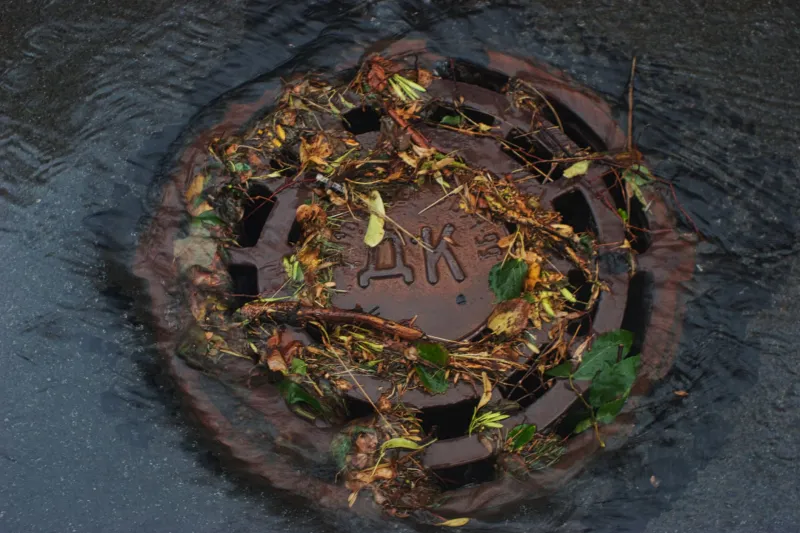
November 2026 has arrived with wet pavements, early darkness and a fresh crop of leaves in the gutter. On some streets the leaves are a minor inconvenience. On others they are a diplomatic incident. The humble leaf pile is never just a leaf pile. It is a test of civic pride, a playground, a compost opportunity and, occasionally, the reason two neighbours stop saying good morning.
Why the leaf pile matters
A pile of leaves by the kerb looks innocent enough. But leaves are not rubbish. They are a resource with a timing problem. Left on the pavement, they turn into a slippery brown carpet after rain. Left in the gutter, they block the drain and turn the corner into a small lake. Left in a heap against a wall, they make a lovely home for hedgehogs and a less lovely home for damp. The leaf pile is a small lesson in consequence.
For children, of course, it is pure joy. A decent leaf pile is an invitation to jump, kick and bury a wellington boot. For gardeners, it is future leaf mould: free, slow and quietly brilliant for the soil. For the council, it is a seasonal logistics puzzle. For the person who owns the broom, it is a chance to be quietly heroic before breakfast.
The drain is the real battleground
If you want to understand a street, look at its drains in November. A clear gully says someone cares. A gully packed with leaves says someone has been meaning to care since October. The drain is where the leaf pile meets the real world. Water does not negotiate. It finds the lowest point, collects the leaves and makes a puddle that will splash the first person to walk past in the dark.
Practical advice: before the next heavy rain, take a broom and clear the leaves from the top of the drain outside your house. Not the whole street, necessarily, but your bit. Use a rake or a stiff broom, scoop the leaves into a bag and put them somewhere sensible. Do not sweep them into the road, because the road drains into the same gully and you have simply moved the problem six feet to the left. If the drain is blocked deeper down, report it to the council. Most councils have an online form, and a photo of the offending puddle helps.
Sweep, bag, compost: a sensible order of operations
The budget version of leaf management is refreshingly simple. You need a rake, a broom, a few old compost bags and a bit of patience. Sweep leaves onto a tarpaulin or into a pile, then bag them. If you have a garden, make a leaf-mould bin: a wire cage or an old bin bag with a few holes, filled with leaves, kept damp and left for a year or two. The result is a dark, crumbly compost that is far better than anything you can buy for the price of a few bags.
If you do not have a garden, use your council's green waste collection if it takes leaves, or take them to a local recycling centre. Do not put them in the general rubbish if you can avoid it. And do not pile them against a neighbour's wall without asking, however helpful you think you are being. Leaf piles have a way of looking like a statement.
The quiet standoffs
This is where the leaf pile becomes a social object. There is the neighbour who sweeps their pavement every morning and eyes the drift outside your gate. There is the neighbour who never sweeps and whose leaves mysteriously migrate towards the drain. There is the person who bags up their leaves and leaves the bags by the bin for a fortnight, as if the bin men might mistake them for a birthday present. And there is the unspoken question of whose responsibility the pavement actually is.
Most of us are not going to fall out over leaves. But we might make a point of sweeping a little more ostentatiously than usual. We might say, cheerfully, that the drain was getting quite bad, as if we had not just spent twenty minutes clearing it. We might offer to do next door's bit while we are out there, which is either kindness or a very polite form of pressure. The leaf pile accord is rarely written down. It is negotiated with brooms.
A street-level treaty
The best approach is the boring one: do your bit, keep it light and do not make a ceremony of it. Clear your drain, bag your leaves, let the children jump in the pile before it goes, and leave a small corner for wildlife if you have the space. If a neighbour's leaves are causing a real problem, say so kindly and early. If someone else has done a good job, say thanks. It is amazing how far a clear gutter and a friendly word can go.
November 2026 will bring rain, dark afternoons and at least one leaf pile that looks like it has been arranged by a sculptor. The state of the gutter says more about a street than any group chat ever will. So get the broom out, pick your moment and remember: the leaf pile is not the enemy. The blocked drain is.