Crumbs of Society: A Biscuit Tin Field Guide for the British Home
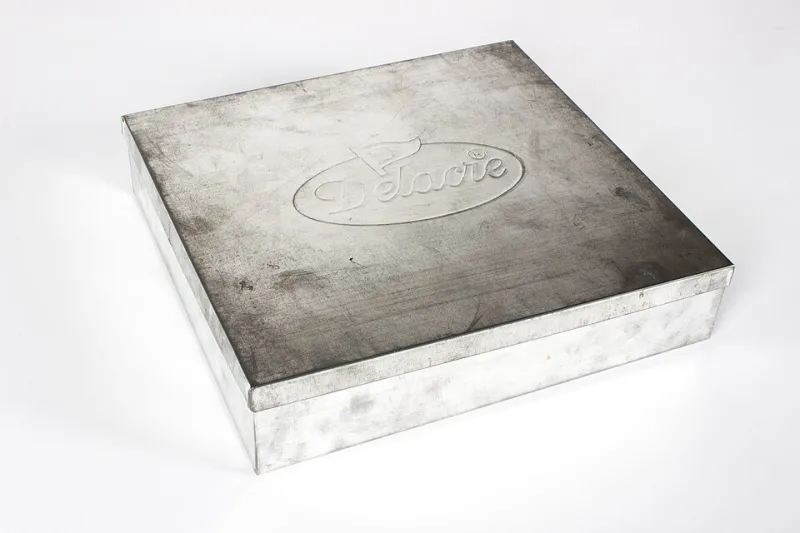
Photo: Unknown, CC BY 4.0, via Wikimedia Commons
The biscuit tin is not a container. It is a small, crumb-filled constitution. Every British kitchen runs one, whether it admits it or not, and every one of those tins has a hierarchy. Not written down, obviously. That would be unBritish. But the moment a visitor lifts the lid, a quiet set of rules clicks into place like a kettle coming to the boil.
I have spent an unreasonable amount of time thinking about this. Not because I am a biscuit scientist, but because I have been on the receiving end of too many disappointed looks after offering the wrong tin. So here is a field guide, written with the authority of someone who has made most of the mistakes.
The Two-Tin Doctrine
The first rule of British biscuit hospitality is that there are at least two tins. The everyday tin is the workhorse: scuffed, usually missing its original lid, often a repurposed Quality Street tin from a Christmas long gone. It lives at the back of the worktop and contains the biscuits you actually eat.
Then there is the guest tin. This one is a performance. It might be a proper biscuit barrel, a decorative tin from a garden centre, or a wicker basket lined with a napkin. It comes out when someone knocks at the door, and it contains the biscuits you would not normally buy for yourself. The guest tin says: I am a functioning adult. The everyday tin says: I have needs.
The gap between the two tins is where British hospitality lives. It is not dishonesty — it is a form of theatre. Nobody wants to be handed a Rich Tea from a tin with a dent in the side, even if that Rich Tea is perfectly nice. Presentation is part of the welcome.
The Everyday Shelf
The everyday tin is a flawed democracy. The Rich Tea is the diplomat: mild, agreeable, never the first choice but rarely the last. The Digestive is the solid citizen: sturdy, sensible, and capable of pretending to be breakfast if you eat it standing up. The Bourbon is the dark horse, the one people reach for when they think nobody is watching.
Then there is the chocolate digestive, which is not really a biscuit at all. It is a dessert wearing a biscuit costume. It sits at the top of the everyday tin, but only for about four minutes, because someone always takes the chocolate ones first and leaves the plain ones to form a sad little queue at the bottom.
The Rich Tea versus Digestive schism is real, by the way. Rich Tea people are optimists. They believe a biscuit should be a delicate companion to tea, not a meal. Digestive people are realists. They know that at 4pm on a wet Tuesday, you need something with structural integrity. I am a Digestive person, but I respect the Rich Tea vote. Democracy is messy.
The Guest Tin and Its Discontents
The guest tin is where biscuits go to be judged. Shortbread, chocolate fingers, Viennese whirls, maybe a fancy oat biscuit with a name you cannot pronounce. These biscuits have a job interview every time the lid comes off. They must look generous, taste expensive, and survive being handled by a visitor who is trying to be polite.
The tragedy of the guest tin is that it often goes stale. Visitors are too well-mannered to take more than one. The host is too well-mannered to eat from it alone. So the same shortbread rotates around the calendar, getting softer and sadder, until someone finally cracks and eats the lot while watching telly. This is not failure. It is recycling.
Dunking: A Code of Conduct
Dunking is not lawless. There are rules, even if nobody has written them down. A Rich Tea is a short dunker — a second and a half, no more. A Digestive can take two seconds. A Hobnob is built like a small brick and can survive almost anything. A Bourbon is a risk, and a chocolate finger should not be dunked at all, unless you enjoy watching a biscuit dissolve into a sad brown puddle.
The golden rule is that a collapsed biscuit is not a tragedy. It is a lesson. The tea gets a bit of biscuit, you get a bit of humility, and everyone moves on. The only true crime is pretending you meant to do it.
Hotel Biscuits and Other Tiny Triumphs
A hotel biscuit tastes of pure triumph. It is not better than a Custard Cream. It is not even close. But it arrives in a little wrapper, next to a tea bag and a tiny milk carton, and it says: you are on holiday now. You did not have to buy this. You did not have to put it in a tin. It is a small, free gift from the universe, and it deserves respect.
The same goes for the biscuit you find in a café with a cup of tea, or the one on a train, or the one your nan keeps in a tin that has been in the family since before anyone can remember. These biscuits are not about quality. They are about context.
The Verdict
So which biscuit genuinely deserves the top shelf? Not the fancy shortbread. Not the chocolate finger. Not even the hotel biscuit, lovely as it is.
The plain Digestive. It is the most honest biscuit in the tin. It does not pretend to be a dessert. It does not need a napkin. It works with tea, with cheese, with a long afternoon, and with the quiet disappointment of a rainy Saturday. It is the biscuit equivalent of a good pair of boots: unglamorous, reliable, and always there when you need it.
Put the chocolate ones on the shelf above, if you must. But the plain Digestive is the one that keeps the whole tin standing. At Dnays, we call that hospitality.