Twelve Comments and a Missing Tabby: Life Inside the Village Facebook Group
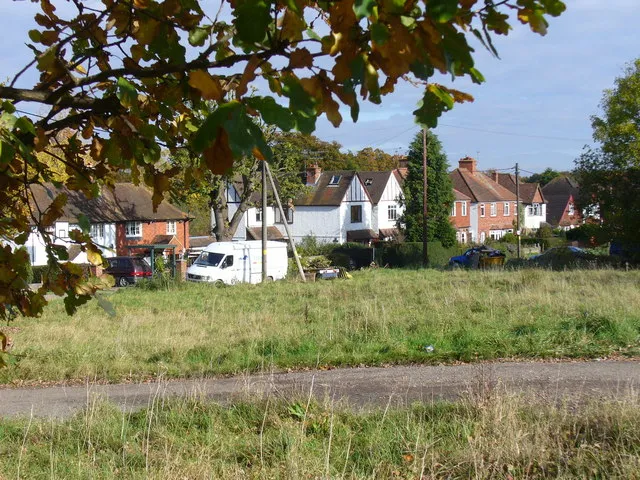
Photo: Colin Smith, CC BY-SA 2.0, via Wikimedia Commons
There is a particular sound a village makes at 7:14 on a wet Tuesday morning. It is not the church bell or the first delivery van. It is a phone buzzing on a bedside table with a notification from a Facebook group you joined two years ago to ask about a plumber and have never quite left.
The post is from Margaret. It is a photograph of a cat. The cat is not hers. Margaret is simply concerned. “Does anyone know this little one? Been in our garden since Sunday and seems very friendly. Not normally a wanderer, I don’t think.” Twelve comments follow before breakfast. By lunchtime, the cat has a name, a suspected second family and a small fan club.
Welcome to the village Facebook group: the digital equivalent of the noticeboard by the bus stop, except everyone can see your spelling and the argument about parking never ends.
The digital village green, with worse parking
In 2026 we have more ways to avoid each other than ever. We can order groceries without leaving the house, book a doctor’s appointment through an app and watch a council meeting on YouTube while eating crisps. And yet the local Facebook group persists. It is not as public as a high street, not as private as a WhatsApp chat. It is a postcode with a comment section.
That is the strange genius of it. The group is not really about Facebook. It is about the boundaries of a place. You can tell a lot about a neighbourhood from what it chooses to announce, and what it carefully does not. Lost cats, yes. Lost tempers, sometimes. A neighbour’s medical details, no. A suspicious white van, absolutely, with a follow-up comment from someone who knows the driver and can confirm he was delivering a mattress.
A cast of dozens, whether they like it or not
Every group has its recurring characters. They are not official roles. Nobody elected them. But they turn up, week after week, like the vicar at a jumble sale.
There is the admin, who pins a post every January asking everyone to be kind and search the group before asking about bin collections. There is the missing cat correspondent, who maintains a mental map of every tabby within a three-mile radius and writes updates with the urgency of a war reporter. There is the free rubble philanthropist, offering half a bag of sharp sand, four paving slabs and a broken trellis to anyone who can collect before Sunday. There is the white van correspondent, who posts “just to make people aware” and inadvertently triggers a 47-comment debate about whether the van was actually a delivery driver called Dave.
And then there is the bin constitutionalist. This is the person who has read the council’s waste guidance more closely than anyone should and is willing to quote it. “Can I just ask why some people are putting their recycling out on Thursday when collection is Friday? The leaflet clearly says no earlier than 7pm the night before.” The reply is polite. The reply is also the beginning of a cold war.
The unwritten rules are the whole point
Nobody hands you a rulebook when you join. You learn by watching. Search before posting. Do not name and shame unless there is a genuine safety issue, and even then, maybe message the admin first. If someone offers something free, say “yes please” in the comments, then send a private message. Do not ask for a lift to the airport. Do not start a political argument under a photograph of a lost budgie.
The etiquette is not written down, which is exactly how British neighbourhoods have always worked. We prefer a light layer of plausible deniability. The group lets us be nosy without appearing nosy. “Does anyone know what’s happening at the old pub?” is not gossip. It is community intelligence.
There is also a distinct language. “Can I just ask” means a mild challenge is coming. “PM’d you” means the interesting part is happening elsewhere. “No judgement, but” means judgement is absolutely coming. And “thanks in advance” is the polite closing bracket on a request that has already been made slightly too publicly.
When the small dramas get out of hand
The free paving slabs are always the flashpoint. Someone offers them. Someone else says they will collect at 10am. Someone’s cousin turns up at 9:15. By the afternoon there is a thread about manners, a follow-up post about entitlement and a third post reminding everyone that this is a community group, not a marketplace. The slabs remain on the driveway. Nobody wins. The paving slabs have become a metaphor.
Bin placement runs it close. A single wheelie bin left at an angle can generate more debate than a parish council election. The bin is blocking a dropped kerb. The bin is not blocking a dropped kerb. The bin was moved by the wind. The wind is not a defence. Somebody posts a photograph of the bin from three angles. Somebody else replies with a photograph of a different bin, which is not helpful but does keep the thread going.
And yet, for all the friction, these groups are quietly useful. A ladder gets borrowed. A hospital lift gets arranged. A plumber gets recommended by three people who all say “he’s not cheap but he’s honest”. Someone’s elderly dad gets a phone call because he hasn’t posted in a while. The group is a low-level surveillance network, yes, but it is also a low-level care network. In 2026, with council services pushed online and high street banks long gone, that matters more than we like to admit.
The cat comes home, the group moves on
By Thursday, Margaret’s cat has been reunited with its owner, who lives three streets away and had been “absolutely frantic”. There is a photograph of the cat looking unbothered. There are 34 likes and a comment saying “so pleased”. Then, within an hour, someone posts about a suspicious white van. The group moves on.
That is the thing about the village Facebook group. It is not a community. It is a running commentary on one. It is messy, repetitive and occasionally maddening. But it is also proof that neighbourhoods still exist, even if they now announce themselves through a phone screen and a blurry photo of a tabby on a recycling bin.
Next time the phone buzzes at 7:14, I will probably sigh. Then I will read it anyway.