Knock, Pause, Retreat: Notes from the Nation’s Front Path
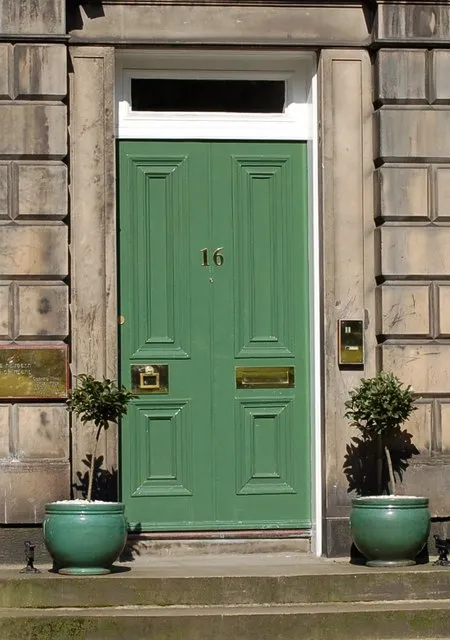
Photo: Paul McIlroy, CC BY-SA 2.0, via Wikimedia Commons
There is a particular sound to a parcel arriving. Two sharp raps, a half-second pause, then the soft thump of something being placed on the step and the hurried retreat of a courier who has already mentally moved on to the next street. By the time you reach the door, the van is a blur at the end of the road and you are left staring at a cardboard box in a puddle, wondering whether the phrase ‘safe place’ was meant ironically.
In 2026, the doorstep is no longer just a slab of concrete between the pavement and the hallway. It is a stage. A border. A small, weather-beaten social space where strangers, neighbours and delivery drivers negotiate a quiet contract of trust, one parcel at a time.
The Choreography of the Knock
Watch a courier at work and you notice the routine. There is the brisk double-knock, the step back, the glance at the phone, the slight lean towards the door as if listening for footsteps. Some wait a full ten seconds. Others have vanished before their knuckles have cooled. The difference between the two is the difference between a parcel placed gently under the porch and a parcel lobbed over the gate like a rugby ball.
The ring doorbell has changed things, of course. Now we can watch the whole performance on a phone from the office, or from the sofa, or from a train somewhere between Crewe and Stafford. We see the courier hesitate, consult the notes, try the gate, peer behind the bin. We see them leave the parcel in a spot they clearly believe is clever. We see them walk away. And we see, later, the puddle.
There is a strange intimacy to this. A stranger is entrusted with your new kettle, your birthday present, your replacement phone charger. You leave a note taped to the door in your own handwriting, and they read it. For a few seconds, your front path is a shared space.
Behind the Bin: A Field Guide to Hiding Places
The ‘safe place’ is a deeply British compromise. We do not want to inconvenience anyone, so we offer a hiding spot that is both obvious and hopeful. The classic is behind the wheelie bin, which works only if the bin is full, the wind is low and the parcel is not taller than a shoebox. The recycling box is a bold choice, especially on a Tuesday. Under the doormat is optimistic at best; behind the plant pot is fine until it rains.
Then there are the notes themselves. ‘Please leave in porch.’ ‘Safe place: behind the blue bin.’ ‘If out, please leave with neighbour at 42.’ Each one is a tiny character reference. The person who laminates their instructions is a planner. The person who scribbles ‘anywhere’ on the back of an envelope is a fatalist. The person who writes ‘please do not leave in the rain’ has learned from bitter experience.
In 2026, with more of us working from home some days and not others, the doorstep has become a part-time reception desk. We intercept parcels between meetings. We miss them by four minutes. We come home to a card that says ‘left in a safe place’ and spend the next ten minutes checking behind the bin, inside the porch, behind the pot, and finally in the shed, where a soggy box is slowly dissolving into the lawnmower.
The Neighbour Who Signs
The quiet hero of the delivery age is the neighbour who takes things in. You know the one. They are retired, or they work from home, or they simply have a sixth sense for a van pulling up. They sign for your parcel, they put it in their hallway, and they push a note through your door: ‘Took in a parcel for you — Mrs H at 14.’
This is a small act of community that deserves more credit than it gets. It requires trust in both directions. You trust them not to open it. They trust you to come and collect it before it becomes a permanent fixture in their porch. There is a delicate etiquette to the collection knock: not too early, not too late, and always with a thank-you that is warm but not overly effusive. A box of biscuits at Christmas is not compulsory, but it is noticed.
The neighbour who never answers is the counterpoint. Their curtains twitch, their car is on the drive, but the door remains firmly shut. We all know one. We do not judge. We simply learn to redirect our ‘safe place’ notes elsewhere.
The Puddle Test
November is the month that separates the optimists from the realists. A parcel left behind a bin in July is a minor gamble. A parcel left behind a bin in November is a test of whether cardboard can double as a sponge. You open the door to a box that has slumped into a sad, grey shape, and you know immediately that the contents are either fine or ruined, with very little in between.
The delivery photo is the modern equivalent of a signed confession. There it is: your parcel, balanced on a gatepost, in the rain, with a caption that says ‘safe place’. You zoom in. You sigh. You consider leaving a note for the courier that says ‘please use the porch, not the puddle’, but you know it will be read by a different person tomorrow.
And yet, most of the time, it works. The parcel is there. The contents are dry. The system, for all its flaws, holds together. That is the quiet miracle of the doorstep: a chain of small trust falls, performed daily by people who will never meet.
What the Front Path Says About Us
The doorstep is a border, and borders reveal character. The way we leave a note, the way we hide a parcel, the way we take in a neighbour’s delivery — these are tiny social signals. They say we are hopeful, slightly chaotic, and willing to extend a little trust to strangers in vans. They say we live in a country where the weather is a constant negotiation and the wheelie bin is a landmark.
In 2026, with more deliveries than ever, the front path has become a quiet barometer of community. The soggy box is a reminder that we share a climate. The signed-for parcel is a favour passed across a hedge. The note on the door is a small act of faith, written in biro, taped at eye level, and read by someone who will be gone in seconds.
So next time you hear the knock, pause before you open the door. Somewhere out there, a courier is already retreating, a neighbour is already signing, and a parcel is already balanced behind a bin. The great British doorstep ritual continues, puddles and all.